


In this article, you’ll learn:
- Introduction
- What is a Primary Care Physician?
- Is general practice the same as Primary Care?
- Starting Point Access Service: Your Health Gateway
- What’s the difference between primary care and family medicine?
- Primary Care and Specialty Care: How they work together
- Define Definitive Treatment and its role in Primary Care
- Do I need a Primary Care Physician? A Conclusion
In terms of your health management, you can ask yourself a question, “Do I need a primary care physician?” The answer can be as firm as yes in most cases. Primary care physicians (PCPs) are or gateways to a health care system and are responsible for the identification, prevention, treatment and continuation of your health. They are familiar with early diagnosis and treatment of diseases, and are your partners in dealing with medical processes when necessary.
What is a Primary Care Physician?
A primary care physician is a healthcare provider who provides first contact and continued, person centered, ambulatory care. Their major function is to deal with various types of healthcare issues, protection, identification and cure.
Roles and Responsibilities
- Preventive Care: Vaccinations appointments, general check-ups, and tests.
- Diagnosis and Treatment: Coping with communicable and non-communicable diseases.
- Health Guidance: Guiding people on their behaviors, and how they need to approach health and fitness.
- Coordination: Appointing patients to specialized practitioners for special attendants.
Having a PCP guarantees that there is someone who knows your medical history to give you more effective treatment.
Why Do I Need a Primary Care Physician?
A PCP is the captain of your health team. They make it easier to avoid fragmented treatment as is often the case with many clients who visit different specialists.
General Practice the Same as Primary Care
There is a great confusion between general practice and primary care. However, the two are not the same.
General Practice
- GPs are generalists who can manage any condition that a person is present with when attending the doctor’s appointment.
- Usually they work as PCP, but may also have a niche, based on the population, for example children or the elderly.
Primary Care
- Primary care is defined as the general practice, internal generalists, pediatricians and general generalists.
Knowing the distinction, therefore, will assist you in making proper choices when choosing a healthcare provider.
Starting Point Access Service:
Your Health Gateway
The experience around health care fabric can be very stressful. The most common form is a starting point access service which can be described as your ticket to medical care which is usually offered by primary care.
Benefits of Starting Point Access Service
- Simplified Access: Links you with the correct services.
- Efficient Referrals: Helps make certain you get specialized care when necessary.
- Personalized Care: Centred on your specific medical history.
These services are usually coordinated by the primary care physicians, so that patients of these facilities can get all forms of care without being referred to other facilities.
What’s the Difference Between Primary Care and Family Medicine?
There is a fine line between understanding primary care and family medicine and people often seem to think they are the same thing.
Primary Care
- Categories it under are internal medicine, pediatrics, geriatrics, and obstetrics.
- In general healthcare with no age specification of the patients to be treated.
Family Medicine
- A subset of primary care.
- Focused on the comprehensive treatment of patients within any age group, and can include the treatment of an entire family.
When making comparisons between the two, always factor in your own health aspects of interests. Those two both offer very good choices to keep in good physical shape and wellbeing.
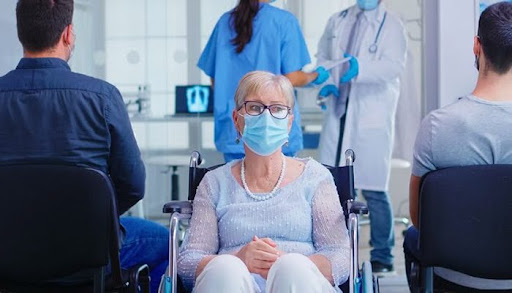
Primary Care and Specialty Care: How they Work Together
Specialty cards are one of the big strengths of Primary Care. What happens when specialty care is needed when you have one physician or a PCP managing almost all your health issues?
Differences between Primary care and specialty care
- Primary Care: Conc professionally on general health over all.
- Specialty Care: Focusses on certain diseases or organs or systems of the body.
For instance, the PCP may consult you to a cardiologist if you have problems with the heart, or to an endocrinologist if you have diabetes. Such a partnership guarantees that you get a definite treatment of the complicated health issues.
Define Definitive Treatment and its Role in Primary Care
Specific treatment can be defined as the process of eradicating a particular health problem. In primary care, this can involve:
- Chronic Disease Management: Managing factors such as high blood pressure or sugar level.
- Acute Care: There is a need to promptly address certain Infections or injuries.
- Preventive Measures: Vaccinations and subsequent recommendations regarding future issues to look out for.
The PCP offers definitive care many times or makes referrals to other specialists when the patient has complex problems.

Do I Need a Primary Care Physician? A Conclusion
Whether or not you’ve thought about the question, “Do I need a primary care physician?” The study proves the value of having one. Besides preparing you for your health needs in the future, a PCP also guarantees that you will get the primary care you require at the appropriate time.
Key Takeaways:
- Primary care physicians refer to the first doctors you approach when you have a health issue.
- They facilitate ways of getting some services, refer and liaise with other doctors and help in the management of chronic diseases.
- It is important that one understands the difference between primary care, family physician as well as specialty care so that one knows the right doctor to attend to him or her.
Primary care physician is one of the best health investments any one can ever make. Caps do not wait until they develop health complications—ensure you take your health checks early today.
FAQs
What is a Primary Care Physician?
Definitions of a PCP The primary care physician (PCP) is a generalist care provider who provides first contact, preventive as well as continuing care of patients with varying illnesses and recommends referrals to other specialist physicians of the healthcare system when needed.
Do I need a Primary Care Physician if I’m Healthy?
Yes, if you are hale and hearty you may not visit your PCP often, but one cannot underestimate the importance of an annual physical examination and immunizations, not forgetting early complaints of a new disease.
Is General Practice the same as Primary Care?
Not exactly. General practice is one form of primary care, however; primary care also encompasses other sub specialties such internal medicine, pediatrics as well as family practice.
Reference
https://my.clevelandclinic.org/
https://www.unitypoint.org/
https://www.webmd.com/
https://www.bcbs.com/


Leave a Reply